Why Congress Should Default on its Debt
(more…)
(more…)
(more…)
(more…)
(more…)
(more…)
(more…)
(more…)
This article analyzes the crisis hitting Ukraine, in the light of currently mounting tensions between Russia and United States. Brings into focus the causes, and potential consequences and solutions for this very dangerous international conflict.
This article analyzes the issues of poverty and prosperity, in the light of ideological divide between Capitalism and Socialism. Provides a broad and deep, logical and historical context. Compares free market solutions with collectivist ideals.
This article analyzes the financial, economic, social and ethical cost of unending wars, in the light of recent massive U.S. government related surveillance scandals. Raises and amplifies some basic questions regarding the huge, overall mess created by this worrisome situation.
This article analyzes the rapid fall in value of Russian currency, Ruble, in the light of recent, deep fall in oil prices. Discusses the issue in terms of global economics. Explains, why better global cooperation in trade and less confrontation is better for the well-being of everyone.
This article analyzes central banks, known as Federal Reserve in United States, in the light of growing debt and budget deficits in United States. Provides a deep insight into the money generation and printing process.
This article analyzes the adverse social and economic effects of big government. Shows, how the increasing authority of big government leads to corruption, cronyism and tyranny. Points out to the fact that a big government must tax to death to fund its ever growing operations and needs.
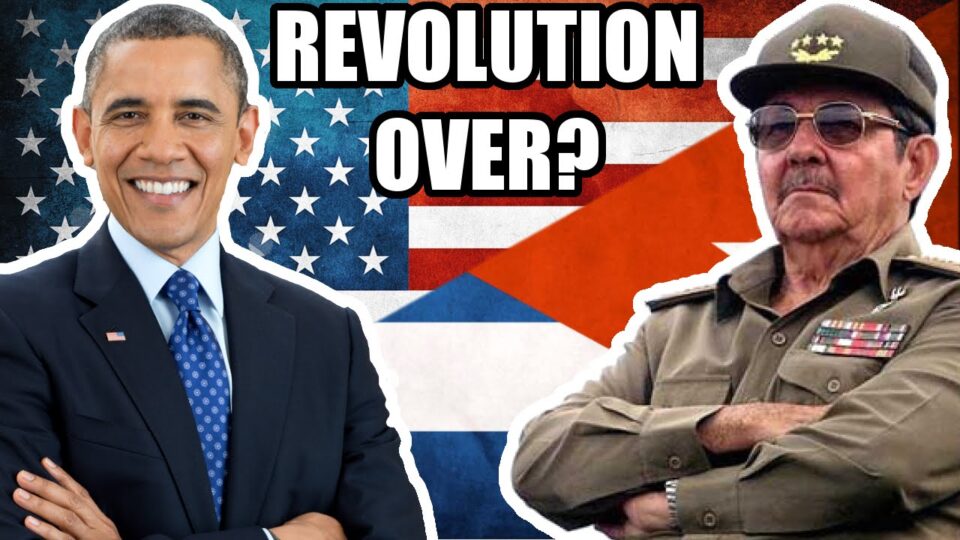
This article analyzes the benefits of friendship and cooperation, in the light of recent developments between U.S. and Cuba. Highlights the human cost of embargoes, sanctions and trade barriers. Discusses the need for tariffs and barriers free, global trade.
This article analyzes the ever growing problem of violence in our lives, in the light of recent sad incidences school shooting in Pakistan and shooting of people by police in United States. Explains, why governments should not have the rights, an individual can never have.
This article analyzes the effects of Keynesian and monetary policies on economic recovery process, in the light of current dismal, slow and prolonged recovery. Highlights the negative effects of market interventions before and after the crash.
This article analyzes police violence on streets, in the light of current events in Ferguson and New York. Provides a broad and deep historical perspective. Clears the hype created by corporate media and corrupt politicians.
This article provides a retrospective view of ongoing dismal recovery from 2007-2008 great recession, and compares it with alternative free markets, no intervention scenario. Highlights the adverse effects of artificial inflation maintained by liberal fiscal and monetary policies. Shows, why deflation is absolutely necessary for a quick and strong recovery from crash, in the times of crises. Discusses in details, the natural market correction mechanisms in free market Capitalism.
This article analyzes the transparency related to government operations, in the light of current initiatives to make this situation better. Emphasizes the fact that transparency is extremely important in the process of successfully running all democratic processes. Highlights the failure of corporate media in providing American citizens and voters, the high quality, timely, relevant and specific information, and the change Internet is bring in, for that matter.
This article analyzes the ongoing wars since September 11, 2001, in the light of current escalations against ISIS, in Syria and Iraq. Provides a historical perspective, and performs a broader, theoretical cost and benefit analysis. Highlights the sad fact that we are wasting incredible amount of resources in fighting the enemies which do not have any capability to attack us in foreseeable future. Shows that we are fighting for goals which have never been successfully achieved in human history.
This article analyzes the anatomy and physiology of human responses to fear, in the light of recent abuse by fear mongering politicians and corporate media of these responses. Provides an in depth scientific perspective. Shows, how to react optimally against these stimuli of fear. Highlights the methods of fear mongering, performs a scientific analysis of those methods and responses invoked. Compares intelligent responses with emotional reactions.
This article analyzes the economic, business and consumer damages caused by protectionism in United States, in the light of current AD duties placed on Chinese imports. Sharply criticizes the the AD duties option in WTO charter, non-market economy, NME, status of China and its abuse mostly by U.S. and other major developed western economies. Highlights the fact that China is not even a non-market economy, anymore.
This article analyzes the conspiracy theories and governments’ monopoly on power in the light of recently growing U.S. militaristic involvement in many countries around the world. Highlights the fact that only individuals are supposed to have monopoly on power, not the governments. The institution of government is supposed to serve individuals, not the other way around. Governments are public servants, not the masters.
This article analyzes the decision to bomb ISIS, in the light serious U.S. foreign policy failures. Cites the example of Afghanistan, Iran, Iraq and Egypt. Emphasizes the fact that Democracy cannot be exported and we cannot be a deciding factor in civil and regional wars. Highlights the scare mongering in all of such failures. Tells us, it must be very clear to now that Bogey man does not exist. Compares the strategies of big Bush and later governments.
This article analyzes the the referendum for Scotland’s freedom scheduled to be held on September 18, 2014. Discusses different aspects of freedom and Nationalism. Highlights the circumstances under which the franchise is being held, and its short and long term consequences, in either case. Brings into focus the politics of whole issue. Explains the roles and modes of operation for yes and no campaigns.
This article analyzes the distribution of power under constitution of United States of America. Shows, why is it critical for all citizens including government officials to abide by constitution and law under all circumstances. Provides a very wide based and deep historical perspective. Describes the potential cost and consequences of constitutional violations. Reminds the oath to protect, preserve and defend constitution.
This article analyzes the the recent developments in Ukraine and Asia, in the light of Chinese refusal to participate in sanctions against Russia, highly appreciated by Putin. Highlights the U.S. foreign policy failures around the world. Shows, why a better economic environment at home is a far better policy than annoying the others. Brings into focus the building tensions with two geopolitical giants in world.
This article compares individual freedom with central planning. Shows, why free market capitalism is superior to all forms of collectivism. Provides a broad and deep historical perspective. Discusses the human nature and motivation based on profit and reward. Highlights the impossibility of effective and comprehensive central planning due to the vastness and complexity of human actions and economic activity.
This article analyzes the Indian economy and its prospects in the light of recent developments. Finds out how much the current government is in line with its election promises of opening up Indian markets. While it is very clear that government is not taking big bang reformation steps, yet, the movement could very well be in right direction. Sheds light on general political and economic environment in past and at present.
This article analyzes the issue of ever increasing militarization of U.S. law enforcement agencies, in the light of current incidents. Provides a detailed constitutional and historical perspective. Brings into focus the never ending, costly, useless and baseless domestic and foreign wars. Sheds light on unfortunate fact that U.S. government wants to solve every real and perceived problem with a new war.
This article analyzes U.S. foreign policy, in the light of current events in Iraq and Libya. Compares current policy of intervention with the policy of isolation practiced by our founding fathers. Brings into focus the human and economic cost. Discusses the adverse effects here at home and abroad. Shows, why is it impossible for any country to police the whole world and why billions of humans around the world can not have same way of living.
This article analyzes the issues related to Social Security Insolvency, recently brought into focus by trustees’ report. Highlights the fact that only viable, affordable and long term solution is to provide Americans with choices to continue with the system, invest in alternative private portfolios or to take charge of their own destiny and completely opt out the system. This tough solution will end the continuation of failed system.
This article compares the government based and free market based solutions for current environmental crisis. Explains that regulatory solutions are unnatural, sudden, expensive, hard to accommodate, and are based on trickle up economy, supported by rich and powerful lobbies in Washington. On the other hand, free market based solutions are natural, inexpensive, slow and adjustable with not cost to tax payers and no lobbying required.
This article analyzes the issues attached to international and regional trade agreements, in the light of proposed trans-Atlantic and trans-Pacific trade and investment agreements, being negotiated, recently. Provides a broader and deeper historical perspective. Discusses the Economics and finances of trade. Highlights its effects on job creation, quality of products and services, creativity, innovation, standards of living and prices.
This article analyzes Capital Punishment, in the light of eighth and fourteenth amendments of Constitution of United States of America. Raises the question, how can death penalty be not cruel and unusual punishment, specifically prohibited by eighth amendment? Citations from constitution and dictionaries are provided, extensively. Makes it very easy to understand and appreciate the intent and meanings.
This article analyzes the right of federal government to provide subsidies under Obamacare law, in the light of recent federal appeals court decisions. Highlights the disasters caused by this very poorly thought and written law. Brings into focus a more comprehensive and wider perspective. Tries to find real solutions to the problems and issues. Compares free market solutions with solutions provided by government.
This article analyzes the dangerous problem of credit crunch and enormously difficulty in finding finance for small businesses. Highlights the role of government regulations in creation and worsening of this problem. Bring into focus the non banks financing options for small businesses, emerging out as new entrepreneurial solutions to bypass the adverse effects of government regulations on banking industry.
This article analyzes the current situation in Crimea, in the light of recent tragic event of shooting down of Malaysian passenger airliner. Views this evolving and rapidly growing conflict in broader international and historical perspective. Brings into focus the enormity and associated dangers in conflict. Explains why U.S. and other Western countries must stay out of this issue. Highlights all aspects of problem.
This article analyzes the socio-economic cost of war on drugs. Highlights its impact on young individuals, and their education and careers. Brings into focus the broken and dysfunctional families, destroyed communities, adversely affected economies, corrupt government officials, law enforcement and judiciary. Explains, why war on drugs is helping related criminal enterprise to grow in size, wealth and power.
This article analyzes the recent important political developments within East Asia, in the light of Chinese president Xi Jinping’s visit to South Korea. Highlights a great diplomatic opportunity for U.S. and it’s allies. Emphasizes the critical need for increased element of smart diplomacy in war driven U.S. foreign policy. Although, not free from dangers, a good diplomatic move from United States could be a decisive step in getting rid of dangerous but fragile North Korean regime.
This article analyzes the media spectacle on U.S. foreign policy in Middle East, going on between Texas governor Rick Perry and Kentucky senator Rand Paul. Provides a historical perspective. Brings into focus the potential cost and associated hazards of Rick Perry’s proposals. Highlights the vision, intelligence, wisdom and knowledge possessed by Rand Paul. Paints the picture with a broader and deeper perspective.
This article analyzes the conflicts of interest between consumers, providers, health insurance companies, employers and government, in the light of current controversies under newly enforced government mandates. Highlights the real causes of rising healthcare costs and solutions for those. Provides a historical perspective. Explores the effects on individual rights and choices. Explains why the benefits and services like healthcare should not be tied to employment.
This article analyzes the issues of income inequality and crony Capitalism, by comparing the history and present state of capitalist and non-capitalist societies. Shades light on possible solutions awaiting in the next stage of social and economic evolution. Brings into focus the pre-occupations and assumptions in the bases of current economic and business structure, and effectively questions some of those.
This article analyzes currently proposed immigration reforms, in the light of the concepts of limited government and economic growth. Shows, how immigrants push up the supply and demand curves, spur growth in business activity while creating new jobs in the process. Highlights the fact that immigrants are driving wages down only because they are illegal, and have to accept whatever is offered.
This article analyzes the issue of Terrorism, in the light of current developments in Iraq. Provides a broader and deeper historical perspective. Explores the hideous relationship between organized religion and violence. Brings into focus the disasters of U.S. foreign policy. Answers the question, Is more U.S. involvement a solution to these problems. Emphasizes the fact that civil wars can never be settled by foreign powers.
This article analyzes the constitutional check-n-balance between three branches of government, in the light of current Supreme Court unanimous decision over three NLRB recess appointments. Shows, why is it critically important to maintain this balance in order to guarantee fair use of authority, respect for democratic principles and well-being our nation and economy. Provides a historical perspective to this issue.
This article analyzes the dilemma of continuously falling and pathetic standards in our public school systems. Covers all the aspects, important factors and popular arguments on rational bases. Compares public education system with privatized education system. Shows, how a privatized school system can automatically take care of all the grievances with current public school systems. Addresses the cost affordability issues, too.
This article analyzes the the most commonly used economic indicators and compares those with more efficient alternatives. Discusses the scope and range of indicators like GDP (Gross Domestic Product) and GDE (Gross Domestic Expenditures). Shows why GDE is a better economic indicator than GDP. Brings into focus the other hazards attached to GDP like Keynesian crepe and big government spendings.
This article analyzes current developments in Iraq under a broader and deeper historic perspective. Finds out, what is making this situation, so worse. Highlights all the factors and powers involved, their interests and role in the conflict. Criticizes the U.S. policies to keep arming, training and funding different groups and governments for their vested interests. Shows, how unreliable these groups and governments can turn out to be.
This article analyzes the effects of restrictions and regulation imposed on the movement and mobility of individuals, goods and services. The most basic and common excuses given by governments, in the favor of these regulations are, protectionism and security. Highlights the fact that these regulations neither protect nor secure. These actually destroy the individual freedoms, economies, social fabric, peaceful societies, and ethics and morals.
This article analyzes the effects of market manipulations on economy and its growth. Provides a full blown historical perspective, in the light of current developments. Explains, what made us the greatest economic power, ever, and what is causing our decline. Highlights the fact that by steering away from the greatest constitution and the best charter of freedom, ever, we axed our own foot. As a result of that we are, now, losing our leadership position in the world.
This article analyzes our conflicts with Muslim world, in the light of latest ISIS offenses in Iraq. Brings into perspective the whole cultural, historic and evolutionary cycle of monotheistic religions. Compares the history of islam with other major religions. Connects the broken links and discusses the policy options to fix the mess we got ourselves in. Highlights the concerns of Muslims, playing a big role in overall worsening of situation in Middle East.
This article analyzes the devastation caused by useless and endless wars since 9/11, in the light of recent scandal surrounding Department of Veterans Affairs. Highlights the fact that there is a real human and financial collateral damage, and costs attached to all wars. Criticizes the big media reports and digs down the real causes and manifestations of problem. Emphasizes the fact that power is not the only requirement for war. It requires strategy, planning, smartness and intelligence, too.
This article analyzes the potential candidacy of Hillary clinton for president of United States in 2016. Highlights the Hillary’s involvement in all major foreign policy disasters of last two decades. Warns that “first woman president” is going to be a disaster even worse than “first black president”. Stresses on the fact that the election of U.S. president must be purely on the basis of merit, not on the bases of ethnic background or sex.
This article explores the real causes and solutions related to recent mass uprisings, especially in Middle East. Analyzes the post-uprising trends and current situation in those countries. Reveals the disturbing fact of those countries still being in the strong grip of status quo. Finds out the reasons for these regressive chain of events. Proposes the true, obvious and feasible solutions. Brings into focus the basic issues with thought process and societal structures.
This article analyzes the strangling effects of excessive taxation and government regulations on our economy and finances. Answers the arguments presented by big proponents of big government, taxation and welfare, with the help of a common sense, hypothetical example. Unveils the fact that all this presumed current need for welfare programs and unemployment is the result of excessive taxation.
This article analyzes the causes and horrors caused by perpetual state of war, in the light of current scandal related to Department of Veterans Affairs. Clears up the big media and political clout, and explores the actual causes and solutions. Brings into focus the fact that the root cause of these issues is unbearable cost of continuously on going wars. Uncovers the real beneficiaries and sufferers of wars.
This article analyzes the the cause and damages attached to terrorism and War on Terror. Provides a historic perspective. Performs a cause and effect analysis, and reviews the cost effectiveness of War on Terror. Sheds light on U.S. foreign policy and aftermath of post 9/11 wars. Article has special focus on Pakistan. Explores the role of Pakistan and the cost it is paying for being a U.S. ally in War on Terror.
This article analyzes the debacle of Obamacare. Points out to the fact that it was upheld by Supreme Court only because of a reason repeatedly denied by president Obama and his administration, the fact that it is a tax. As a matter of fact the largest single tax hike in human history valuing upto 700 billion dollars. Proves that it has failed to deliver almost every promise attached to it. Concludes that in no way, it justifies the enormous cost.
This article analyzes the notion of “helping the poor”. Provides a historical perspective. Compares freedom and opportunity with dependence and welfare. Examines the roll of government interventions and regulations in rapidly growing gap between rich and poor. Reminds the readers that our Capitalist economy was able to make this gap narrowest, ever, in human history while creating the biggest and richest middle class, ever.
This article analyzes the continuously worsening human rights situation in United States, since 9/11. Criticizes AUMF, NDAA and patriot act. Highlights the constitutional issues attached to post-9/11 continuous state of war. Raise the question, is this really worth over a trillion dollars in spending, loss of thousands of soldiers, over a million deaths, immense loss of property and business, and giving away our freedoms?
This article analyzes the budgeting, overspending, borrowing, debt, taxation and insolvency issues related to federal government and its agencies, in the light heavily advertised transportation cliff. Emphasizes the fact that these so called cliffs are not really cliffs. Proves that it is not a revenue issue, it is actually an overspending, resulting from corruption, inefficiency and carelessness. Proposes more common sense, free markets solutions to the problem.
This article analyzes the issue of big government, its weapons of mass deception AKA corporate media, its enormous burden on economy, tax payers, and personal freedoms, Exposes the ridiculousness of social engineering. Explains the whole crooked process of selling social engineering projects to citizens. Uncovers, how these social engineering projects are directly related to corporate welfare and trickle up economy.
This article analyzes U.S. “War on Terror”, in the light of recent kidnapping incident in Nigeria by a terrorist organization called “Boko Haram”. Raises question, “Do the results, so far, justify phenomenal cost, in terms of loss of life and money? Points out to the fact that overall situation is getting worse in spite of over a trillion dollars spent and over six thousand casualties related to U.S. military personnel.
This article analyzes the export subsidies and corporate welfare, and its effects of tax payers’ liabilities. Explains the process of wealth generation, and the distortion in markets caused by government when it starts picking up winners and losers. Provides a historical perspective. Compares the growth rates in United States before excessive interventions from government, with that of post excessive government interventions era.
This article analyzes the Federal Reserve System, deficit financing, government backed bonds and securities, paper money, budget deficits and sovereign debt, in the light of experience of Great Recession of 2008-2009. Explores the history of the formation of Fed. Uncovers the partnership between big banks and government, in the form of Federal Reserve System. Explains, how Fed is responsible for repeated bubbles, deficits, and credit and debt crises in our economy.
This article analyzes the “too big to fail” notion and politics of, and media compaineering of bailouts, in the light of the experience of early 1990s recession. Shows that the number one cause of recklessness in the behavior of big banks and corporations, and government, are the guaranteed bailouts from tax payers. Strongly suggests that competition restricting government regulations and failed promises to to end ‘too big to fail’ require us to start voting for third party candidates.
This article analyzes the standards of living, savings and investments since the beginning of twentieth century, in the light of experience of early nineties recession. Seriously criticizes the measures of standards of living. Sheds light on the hoax of government taking care of retired people. Explores the devastating effects of high taxation on business investments and financing. Explains the adverse effects of big government on standards of living, savings and investments.
This article analyzes the notion of “too big to fail”, tax payer sponsored bailouts, corporate welfare, paper money, and fractional lending, in the light of early 1980s recession. Sheds light on, so called ‘stagflation’. Uncovers the partnership between big banks, corporations, government, major political parties and corporate media. Effectively shows, how fiat money coupled with fractional lending causes stagflation, often resulting into bailouts.
This article analyzes the Keynesian theories regarding fiscal and monetary policies, inflation and financial crisis, in the light of the experience of 1973-75 recession. Effectively shows that increased money supply or inflation through government manipulation is not the solution for financial crises. As a matter of fact, government interventions just mess up the economy, even more. History has shown us that time and again,
This article analyzes the adverse economic effects of our governments continuous attempts to police the world and resultant wars, in the light of 1969-70 recession. Effectively shows, how recklessly lose supply of money through ridiculous fiscal and monetary policies cause inflation, currency devaluation, unemployment, depressed wages and benefits. lowered standards of living and recessions.
This article analyzes the effects of government encroachments on our rights, our money, our property and our country, in the light of the experience of 1960-61 recession. Provides a historical perspective and proves that this government and corporate take over is not stopping at any point until a complete corporate rule is established, unless we unite and stand up to it, hand to hand, together.
This article analyzes the big government burden on economy and country’s finances, in the light of the experience of 1958 recession. Spells out the enormously adverse effects of direct and indirect taxes and sovereign debt on take home money. Highlights the reason why people are taking home less and less money after ever increasing payroll deductions. Makes it very clear that the continuous decrease in take home money is not coming out of thin air. It is a direct result of bigger government and its enormously ballooning debt.
This article analyzes the inflationary effects of monetary and fiscal interventions, and their strangulation on economy, in the light of experience with 1953 recession. Compares the effectiveness of hidden hand with government’s hands. Provides the explanations, reasons and evidence on, why government interventions just worsen an already bad recession. Highlights the alternatives or I should say the original alternatives to government interventions.
This article analyzes the minimum wage and quantitative Easing issues in the light of the historical experience of 1949 recession. Effectively shows, how 1949 recession was exactly opposite of what liberals expect from a rise in minimum wage. In 1949 GDP, department store sales, wholesale price and cost of living indexes fell, while unemployment went up, as a result of rise in minimum wage and tightened monetary policy.
This article analyzes the effects of sovereign debt on money valuation, purchasing power, wages and incomes, standards of living, business, prices and cost. Explains the concepts of direct and indirect taxation. Highlights the fact that governments, after world wide dominance of fiat currencies, now, prefer indirect taxes over direct taxation. Shows the political and popular media correctness of indirect taxation.
This article analyzes the dynamics of sovereign debt and its consequences. Highlights its effects on an average Joe. Explores its relationship with money valuation, cost of living and doing business, demand, employment and wages. Criticizes Keynesian view of servicing the debt and indirect taxation through money devaluation. Uncovers the serious long and short term collateral damage done by Keynesian economics and policies.
This article analyzes the relationship and balance of power between business owners and labor, in the light of events that happened in 1926, including general strike in Britain and resultant 1926 recession. Emphasizes the point of view that the individuals including the labor force does not has its long term interests protected in a government controlled society. Every one of us must strive for a society in which the every group of population has rights to protect and fight for its interests.
This article analyzes the relationship between inflation and recession in the light of 1923 recession. Highlights the fact that inflation caused by fiat money is always a precursor for recessions. The reason why current recovery is painfully prolonged is because high volumes of printed money are keeping prices raised and causing inflation, maintaining high cost of living and doing business. This is an enormous distortion in market adjustments.